Beyond the Clipboard: The Complete Condo Inspection Checklist for Ontario Property Managers
· By Sunni Dowds · Compliance
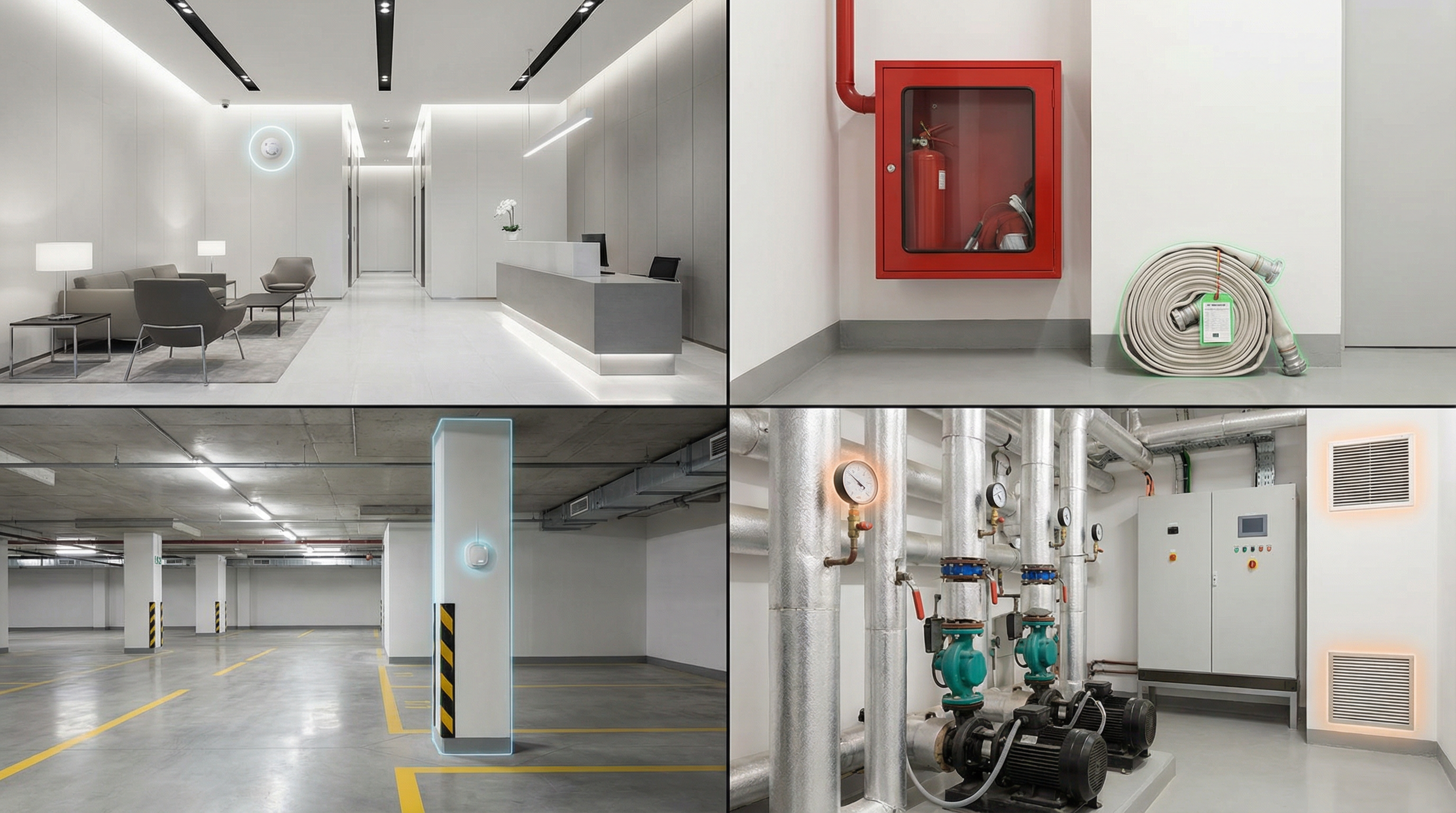
A comprehensive condo inspection checklist for Ontario is not a generic walkthrough template — it reflects the specific regulatory, governance, and operational requirements that condominium corporations must satisfy under provincial legislation.
A comprehensive condo inspection checklist for Ontario is not a generic walkthrough template — it reflects the specific regulatory, governance, and operational requirements that condominium corporations must satisfy under provincial legislation.
Every condominium manager in Ontario knows that inspections happen daily. Superintendents walk lobbies, check stairwells, patrol parking garages, and review mechanical rooms as part of routine operations. But the question regulators, boards, and insurers are increasingly asking is not whether inspections are being done — it is whether they are being done systematically, with the right items covered, in a format that creates defensible records.
A proper condo inspection checklist for Ontario must account for common element obligations under the Condominium Act, 1998, fire safety requirements under the Ontario Fire Code (O. Reg. 213/07), elevator and escalator oversight governed by TSSA, and the professional standards that CMRAO-licensed managers are expected to maintain. This article breaks down what a comprehensive checklist should include and why generic templates fall short.
Common Element Areas Every Ontario Condo Checklist Must Cover
An Ontario condominium inspection checklist must cover lobbies, corridors, stairwells, parking garages, mechanical rooms, and amenity spaces — each with area-specific condition criteria tied to Condominium Act obligations and Fire Code requirements.
The Condominium Act places responsibility for common element maintenance on the condominium corporation, managed through its board and licensed manager. A comprehensive checklist must include both high-traffic areas that residents see daily and infrastructure spaces that are inspected less frequently but carry higher risk when neglected.
- Lobby and Entrance Areas — Flooring condition, lighting, door hardware, accessibility features, security camera visibility, intercom/access control systems, mailroom condition, and signage.
- Corridors and Stairwells — Emergency lighting, fire extinguisher presence and inspection tags, stairwell door closers, handrail condition, floor surface condition, exit signage illumination, and ventilation.
- Parking Garages and Exterior — Concrete scaling and spalling, drainage flow, expansion joints, membrane condition, lighting levels, line markings, fire standpipe connections, and carbon monoxide detection systems.
- Mechanical and Electrical Rooms — HVAC equipment condition, boiler/chiller inspection tags, electrical panel access clearance, sump pump operation, backflow preventer status, and general housekeeping.
- Amenity Spaces — Pool and gym equipment safety, party room condition, rooftop terrace railings and surface drainage, sauna/steam room controls, and accessibility compliance.
Fire Safety Inspection Items Required Under the Ontario Fire Code
Fire alarm systems, sprinkler equipment, emergency lighting, fire extinguishers, exit signs, fire doors, and CO detection devices each have mandated inspection intervals under O. Reg. 213/07 — and each requires documented evidence of completion and deficiency follow-up.
Fire safety is not optional on a condo inspection checklist — it is legally required. The Ontario Fire Code establishes mandatory inspection schedules that condominium corporations must follow and document. Corporations must maintain fire safety plans and demonstrate that regular inspections of life safety equipment are being conducted at prescribed intervals.
A proper checklist includes monthly visual inspections of fire extinguishers, quarterly emergency lighting tests, semi-annual fire alarm testing, and annual inspections of sprinkler systems by qualified contractors. Each inspection must be documented with dates, findings, inspector identification, and any corrective actions taken. When a fire marshal arrives, they expect organized, retrievable records — not scattered notes reassembled after the fact. Managers unfamiliar with these inspection documentation requirements should review them before the next compliance cycle.
The 2026 Fire Code updates strengthen these requirements further, mandating photographic evidence for deficiencies and explicitly accepting digital inspection records. Managers who are still relying on paper logs or spreadsheets for fire safety documentation face increasing compliance exposure. Learn more about what the 2026 Fire Code changes mean for condo managers.
Why Generic Inspection Checklists Fail Ontario Condominiums
Templates designed for commercial or industrial property management do not account for Ontario condominium governance structures, Condominium Act record-keeping obligations, or CMRAO professional standards — creating documentation that would not withstand a board review, fire marshal inspection, or CAT tribunal proceeding.
A checklist downloaded from a general property management platform will not account for the differences between Standard Condominiums, Common Elements Corporations, and Vacant Land Condominiums. It will not include fire code items specific to Ontario's regulatory framework. It will not generate documentation structured for board packages, CAT tribunal submissions, or CMRAO compliance reviews. And it will not adapt to the specific amenities, mechanical systems, and building characteristics that make each condominium unique.
Purpose-built inspection software designed for Ontario condominiums addresses this gap by generating checklists from each building's profile. When a manager enters the building's condo type, number of floors, mechanical systems, amenity spaces, fire safety equipment, and elevator configuration, the platform creates inspection templates matched to that specific property. Items are scoped to actual building characteristics, reducing both omissions and irrelevant entries that dilute inspection quality.
Documentation Standards That Make Checklists Defensible
Each checklist item must produce a record that includes a condition assessment, timestamped photo evidence, written observations, and a tracked resolution workflow — meeting the evidentiary standard that fire marshals, CAT tribunals, and insurers apply when reviewing condominium maintenance documentation.
Completing a checklist is the starting point. What determines compliance value is how findings are documented. Every inspection item should capture a condition assessment (pass, fail, or needs attention), timestamped photographic evidence for failed items, written notes describing the observation, and automatic creation of follow-up tasks for deficiencies.
When an item fails, the documentation trail must show what was observed, when it was reported, who was assigned to address it, and whether the corrective action was completed and verified. This chain of documentation transforms a simple checklist into a defensible record that demonstrates due diligence under the Condominium Act's standard of care obligations. Without this trail, the corporation has inspection activity but no compliance evidence.
Managers responsible for multiple properties can request a walkthrough to see how building-specific checklists generate board-ready documentation across an entire portfolio.
Building a Checklist That Works Year-Round
Ontario's freeze-thaw cycles, seasonal heating demands, and amenity usage patterns require inspection checklists that adjust scope by season — spring envelope and drainage reviews, summer pool compliance, fall heating verification, and winter ice management monitoring.
Ontario's climate creates distinct inspection demands across seasons. Spring inspections focus on freeze-thaw damage to parking structures, building envelope integrity, and drainage systems. Summer brings pool and amenity space compliance checks. Fall preparation involves heating system verification, weatherproofing reviews, and snow removal equipment readiness. Winter monitoring covers ice management, heating system performance, and emergency exit accessibility.
A year-round inspection framework ensures that seasonal items are addressed at the right time while maintaining consistent coverage of core building systems throughout the year. This approach creates the longitudinal documentation that boards, reserve fund planners, and regulators increasingly expect — not periodic snapshots, but a continuous record of building condition monitoring that supports informed capital planning and demonstrates ongoing due diligence.
Condo Inspect Pro generates building-specific inspection checklists from your property's profile — covering common elements, fire safety, mechanical systems, and amenity spaces. Every completed inspection produces structured, board-ready documentation with timestamped photos and tracked deficiency resolution. Speak with our team about configuring checklists for your portfolio.
This article reflects the author's professional experience in Ontario condominium management. Consult your property management team, fire safety consultant, and legal counsel for specific compliance requirements applicable to your properties.
Frequently Asked Questions
What should a condo inspection checklist include in Ontario?
It should cover all common element areas (lobbies, corridors, stairwells, parking garages, mechanical rooms, amenity spaces), fire safety items mandated under O. Reg. 213/07, elevator and accessibility features, and seasonal items. Each item must capture a condition assessment, photographic evidence, and deficiency follow-up tracking.
How often should condominium inspections be conducted in Ontario?
Fire safety items have specific mandated schedules — monthly, quarterly, semi-annual, and annual depending on the system. General common element walkthroughs should be conducted daily or weekly in high-traffic areas to demonstrate ongoing due diligence under the Condominium Act's standard of care.
Are digital inspection checklists accepted for Ontario Fire Code compliance?
Yes. The 2026 Ontario Fire Code updates explicitly recognize digital records as equivalent to paper, provided they meet security and backup requirements. Digital records with timestamped photos and structured data are increasingly preferred by fire marshals during compliance inspections.
How should inspection checklist findings be documented?
Each item should include a condition assessment (pass, fail, or needs attention), timestamped photos for failed items, written observations, and automatic follow-up task creation. The documentation must show when issues were identified, who was assigned, and whether resolution was verified.
Can one inspection checklist work for all Ontario condo types?
No. Standard Condominiums, Common Elements Corporations, and Vacant Land Condominiums have different operational and compliance requirements. Building size, amenity profiles, mechanical systems, and fire safety configurations all require property-specific checklist items.